Cracks, Condensation and Gypsum Patches: Reading What Your Period Wall Is Telling You

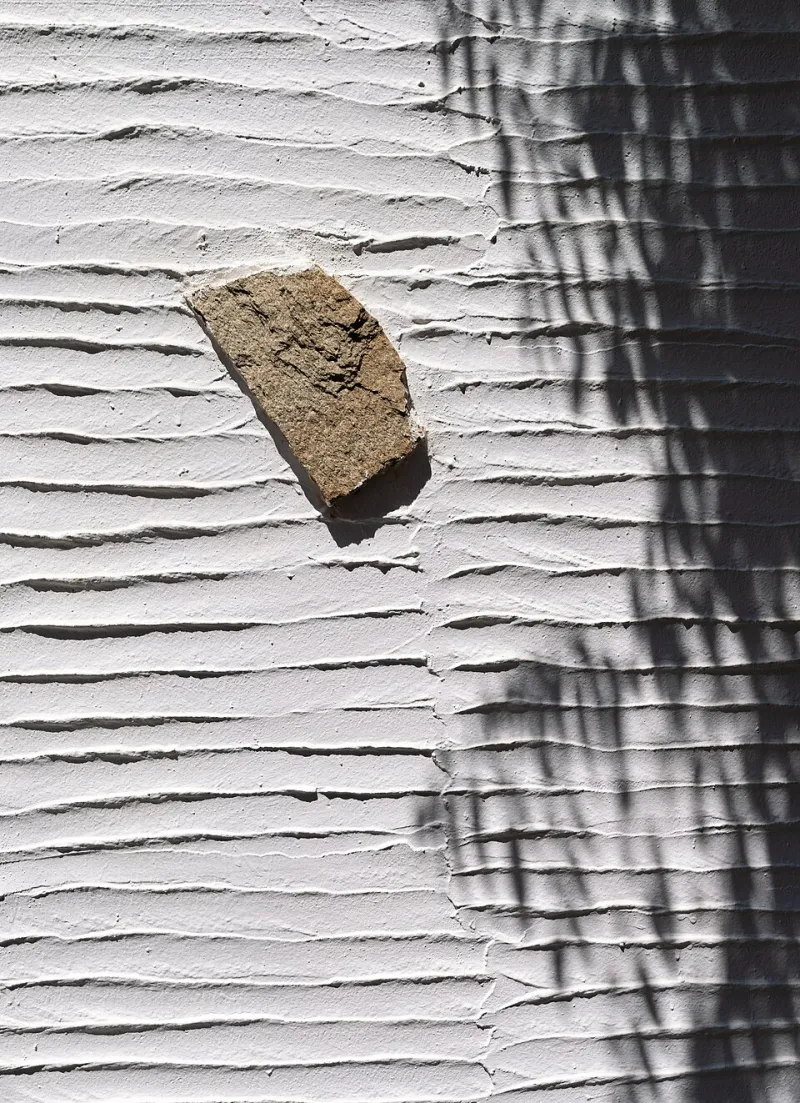
Photo: Dietmar Rabich, CC BY-SA 4.0, via Wikimedia Commons
Period properties are good at hiding their feelings. A Victorian terrace in Leeds, a Welsh stone cottage, a Scottish tenement flat or a London stock brick house will all tell you something different about moisture, movement and past repairs — if you know what to look at. The temptation is to choose a plaster because it looks nice in a photo. The better move is to read the wall first.
This is not a 'clay is always best' or 'lime solves everything' article. It is a guide to the clues. Some walls want clay. Some are begging for lime. Quite a few need a proper survey before either is specified.
Start with the wall, not the tin
Before you think about finish colour or texture, look at the substrate. Is it solid masonry or a cavity wall? Is it brick, stone, cob, timber frame or lath and plaster? Has it been patched with gypsum? Is the paint vinyl or breathable? Is the damp coming from a leak, a bridge, rising damp or condensation? Those answers change the specification far more than a moodboard does.
A quick practical check: press a moisture meter into the wall in several places, look for salts and tide marks, and note whether the issue is seasonal. Winter condensation on a cold internal wall is a different problem from a wall that is wet all year round. One may be helped by a hygroscopic finish. The other needs the water source sorted first.
Seven signs your old wall is asking for clay plaster
1. The wall is dry but feels cold and clammy
A dry solid wall that still feels uncomfortable in winter may benefit from a clay finish. Clay is hygroscopic, so it can buffer small swings in indoor humidity. It will not insulate a wall on its own, but it can make a room feel less sharp and less prone to surface condensation.
2. You get light winter condensation in bedrooms or living rooms
If the window is streaming after a cold night and the wall behind the curtain is dry but cold, clay is often worth discussing. It can help manage everyday moisture from breathing and washing, provided the room is ventilated and the wall is not actually damp.
3. The wall has hairline map cracking but no movement
Fine, shallow cracking on an internal wall can be a sign of a hard, brittle finish over a slightly moving background. Clay is more flexible than cement or gypsum in some situations, but do not confuse hairline cracking with structural movement. If the cracks are wide, stepped or growing, get advice.
4. There are patchy gypsum repairs over old lime
Gypsum patches on an old wall are a classic UK period-property clue. They can trap moisture at the edges and make the wall behave unevenly. Removing them and reinstating a vapour-open finish is often the right approach. Clay may suit the internal face if the wall is dry; lime may be needed if damp is involved.
5. The wall is a timber-frame or stud partition
Timber-frame and stud walls move. Clay plaster can be a good match for dry internal partitions because it is vapour open and can accommodate minor movement. It is not a substitute for fixing loose lath, rotten timber or a leaking roof.
6. You want a warm, matte finish in a heritage interior
Clay gives a soft, earthy finish that suits period rooms without looking like a museum exhibit. If the wall is dry, internal and not exposed to splashes, it is often a practical choice for bedrooms, hallways and living spaces.
7. The room has a humidity problem you want to buffer, not seal
If you have tried sealing a wall with modern paint and the problem got worse, that is a clue. A vapour-open clay finish will not solve a ventilation problem, but it can help the wall respond to humidity rather than trapping it.
Three signs it is begging for lime
1. The wall is solid masonry with damp or salts
Lime is the more robust first thought for damp-prone solid masonry. It is vapour open and alkaline, and it is well suited to walls that need to dry out and cope with salts. But lime is not a waterproofing system. Find the leak, fix the drainage and manage the ground level first.
2. It is an external wall or render
External elevations need a finish that can handle rain, wind and frost. Lime render is the established choice for breathable external work on period UK buildings. Clay is generally an internal plaster, not an external render.
3. It is a bathroom, kitchen or other wet zone
Higher moisture loads usually point towards lime rather than clay. Lime is more tolerant of occasional wetting and is easier to clean down. Ventilation and extract fans still matter more than any plaster.
A simple decision table
| What you are seeing | Clay is often the better first thought | Lime is often the better first thought |
|---|---|---|
| Dry internal wall with winter condensation | Yes, if ventilation is addressed | Possible, but check damp sources |
| Solid masonry with salts or damp | No, fix the water source first | Yes, as part of a breathable repair |
| Patchy gypsum over old lime | Maybe, if the wall is dry | Yes, if damp or external exposure is involved |
| Timber-frame or stud partition | Often yes | Sometimes, depending on exposure |
| External elevation | No | Yes |
| Bathroom or kitchen wall | Not usually | Usually yes |
| Wide or growing cracks | No — investigate first | No — investigate first |
When to call a natural plastering specialist rather than DIY
DIY clay and lime work is not impossible, but period walls are good at punishing guesswork. Call in a specialist if you have rising damp, salts, failed cement render, wide cracks, a listed building, a large area to cover, or a wall that has been patched with several different materials over the decades. Also call someone if you are planning a retrofit with wood fibre insulation or a breathable membrane — the plaster, insulation and membrane need to be designed together.
A good specialist will not just sell you a finish. They will ask about the building, test the wall, and tell you when plaster is not the first problem to solve. That is the difference between a nice-looking wall and a wall that behaves.
The short version
Clay is often the right conversation for dry internal period walls that need humidity buffering and a softer finish. Lime is often the right conversation for damp-prone masonry, external render and wet zones. Most old walls are not one thing or the other. Read the clues, fix the water first, and specify the plaster to suit the wall — not the other way round.