Fibre, Fat and Folklore: Do Historic Plaster Additives Still Earn Their Place in 2026?
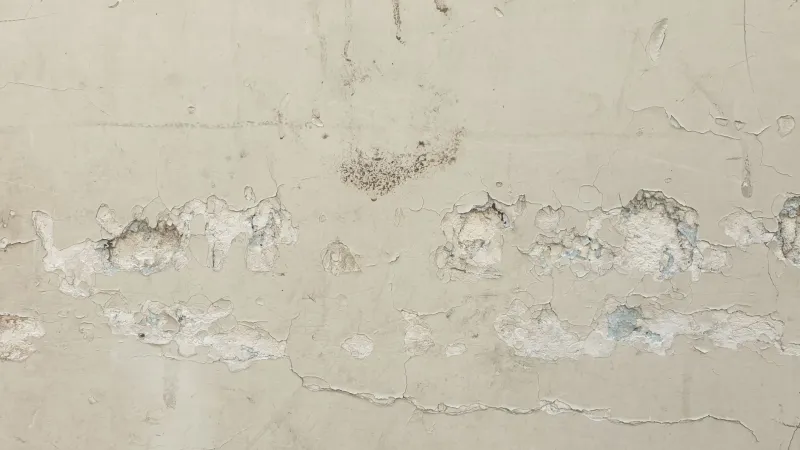
Open up an old wall and the ingredients can look more like a farmyard recipe than a specification: hair, chopped straw, bits of dung, perhaps a stain that suggests blood, and a waxy smell of old linseed. It is tempting to treat these as secret ingredients from a lost golden age of plastering. The more useful question is simpler. What did they actually do, and would we choose them again today?
What these additives were really for
Most historic plaster additives were practical responses to the materials and conditions of the time. They were not magic. They were attempts to make a temperamental mix easier to place, less likely to crack, or better suited to a particular wall.
Animal hair is the best-known example. In lime plaster, hair acts as a kind of distributed reinforcement. As the mix dries and shrinks, the fibres help hold small cracks together and can improve tensile strength, especially in ceilings, soffits and areas prone to movement. Horsehair was common because it was long, strong and readily available. It is not a substitute for proper fixing or a stable substrate, though, and variable hair can bring its own problems: clumps, contamination and a distinctly farmyard aroma.
Straw and other coarse fibres served a similar role in thicker, earthier mixes. In cob and daub, straw helps bind the material and control shrinkage. In a fine lime finish, however, straw is usually too coarse and can create weaknesses or a lumpy surface. Dung is often mentioned in the same breath. In practice, much of its value came from the chopped fibre it contained, along with fine particles that could affect workability and water retention. It was not a sanitising wonder product, and no one should imagine it as a modern waterproofing agent.
Blood and linseed oil belong to a different category. Protein-based additions such as blood were historically used in limewash and some plaster mixes to improve water resistance or working qualities. Linseed oil can harden a surface and repel water, but it also reduces vapour permeability and can yellow, crack or become slippery underfoot. Both can be useful in the right historic context. Neither is a cure for a damp wall.
The modern alternatives are not automatically better
Today a plasterer might reach for polypropylene fibres, alkali-resistant glass fibres, water retainers, air entrainers or proprietary lime admixtures. These are more consistent than a handful of horsehair, and that consistency matters on commercial jobs and conservation projects alike. But modern does not mean universally compatible. Some polymer additives can improve adhesion and flexibility while making a lime plaster less vapour-open. On a solid brick wall, that trade-off deserves careful thought.
Fibres are a good example of where tradition and modern practice overlap. A clean, specified polypropylene fibre can do much of the shrinkage-control work that hair once did, without the variability. For a ceiling repair or a fragile soffit, that may be the sensible choice. For a conservation project where the specification calls for hair in a lime mix, using hair is not nostalgia. It is matching the historic fabric and the agreed method.
Where traditional additives still earn their keep
There are genuine cases for traditional additives in 2026. Conservation work is the clearest. If a listed building or a historic ceiling was originally plastered with hair-reinforced lime, a repair that matches the original mix is often more appropriate than a modern gypsum patch or a polymer-modified render. Samples, photographs and a clear specification should lead the decision.
Cob and daub repairs are another obvious case. Straw-rich earth mixes have their own logic, and a repair that suits the movement and moisture behaviour of the original material is usually better than forcing a cement-based product into it. Traditional limewash additives may also have a place on historic surfaces where a breathable, slightly water-repellent finish is wanted and the evidence supports it.
That said, tradition is not a free pass. Horsehair in a damp cellar, dung in a bathroom, or linseed oil on a wall that needs to dry inward are all examples of old ideas applied in the wrong place. The additive has to suit the wall, the exposure and the finish.
Folklore tends to outrun evidence
Old plastering is full of claims that deserve a raised eyebrow. Dung does not make a wall sterile. Blood does not waterproof a leaking chimney breast. Beer, urine, eggs and sugar are sometimes mentioned with great confidence and very little testing. Linseed oil can help shed rain, but it will not stop rising damp or fix a failed gully.
A useful rule is that additives modify a mix. They do not change the physics of the building. If water is getting in, if a lintel is moving, or if a substrate is crumbling, no amount of horsehair or linseed will provide a lasting repair. Fix the cause first, then choose the plaster.
A practical rulebook for 2026
For plasterers, the starting point is diagnosis and documentation. Identify what is already there, why it failed and what the new work needs to do. Use clean, specified materials rather than whatever is in the van. Test a small panel before committing to a whole elevation or ceiling. Keep a record of the mix, the dosage and the supplier, especially on conservation work.
For homeowners, ask what is being added and why. A good plasterer should be able to explain whether the fibre is there for crack control, the oil for water repellence, or the lime for breathability. Be wary of any additive described as a miracle cure. Be equally wary of dismissing traditional methods outright. The best answer is usually the one that matches the wall, the exposure and the intended finish, not the one that sounds most authentic or most modern.
Hair, straw, dung and oil are not embarrassing relics. They are evidence of practical people solving practical problems. In 2026, the craft is knowing which of those solutions still apply, which belong in a museum, and which need a clean modern equivalent instead.