Booked Solid: Finding a Genuine Lime Plasterer in 2026 Without Cutting Corners
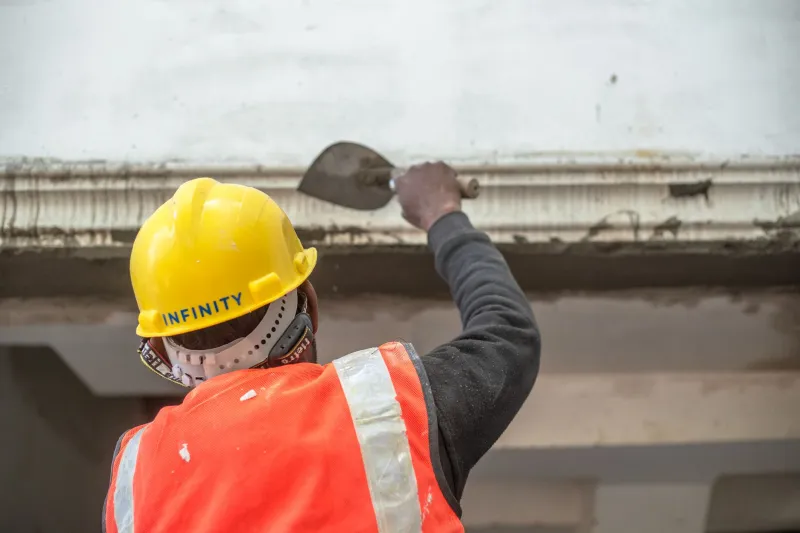
There’s a particular kind of silence on a renovation site when the scaffold has gone up, the old render has come off, and nobody knows when the plasterer is coming back. In 2026, that silence is becoming familiar. Demand for breathable plastering keeps climbing, but the number of people who can actually do it well has not kept pace. The result is longer waits, punchier quotes and a growing cast of trades who claim to specialise in lime after a weekend course and a tub of putty.
None of this is a reason to panic. It is a reason to plan properly. A good lime plasterer is not an interchangeable unit. They are a craftsperson with a particular feel for sand, moisture, suction and time. If you need one, the job starts well before anyone arrives with a trowel.
Why the diary is full
Part of the story is simple demand. Owners of older UK homes are increasingly wary of sealing walls with cement and gypsum. Retrofit work, damp problems and the slow realisation that breathability is not a fad have all pushed lime and clay up the agenda. Architects specify it. Conservation officers ask for it. Homeowners read about it and want it.
The supply side is slower. Traditional plastering is not a standard module in every college course. Many plasterers spend years learning modern skim and board work, then discover that lime behaves nothing like the materials they were trained on. It sets differently. It needs different preparation. It punishes impatience. The skills are learnable, but they take time, and the people who have them are often small firms with full order books and no interest in expanding into a call centre.
There is also a demographic point. A fair number of the most experienced lime plasterers are closer to retirement than to their first van. Apprenticeships exist, but not every small firm has the time or cash flow to train someone properly. That gap does not fill itself.
What it means for your project
In practical terms, expect lead times to be longer than you would like, especially in areas with a lot of period housing and a thin local pool of specialists. A six- to nine-month wait is not fantasy in some parts of the country. Quotes may also vary wildly, because scarcity gives confidence to some and licence to others.
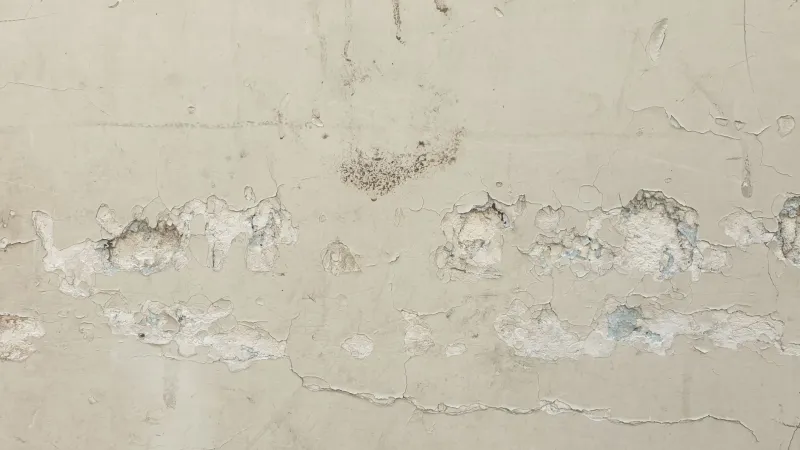
The bigger risk is not the wait. It is the plausible-sounding contractor who arrives quickly, says all the right words about breathability, and then treats lime like a bag of multi-finish. Bad lime work can look fine for a season and then show its true colours: craze cracking, poor adhesion, soft edges, or a finish that refuses to dry evenly because the preparation was wrong.
That is why the cheapest quote from the fastest responder deserves suspicion. Not always. But often enough to make you ask questions.
How to check credentials without turning into an interrogator
You do not need to become a lime chemist. You do need to ask a few grounded questions and listen to the answers.
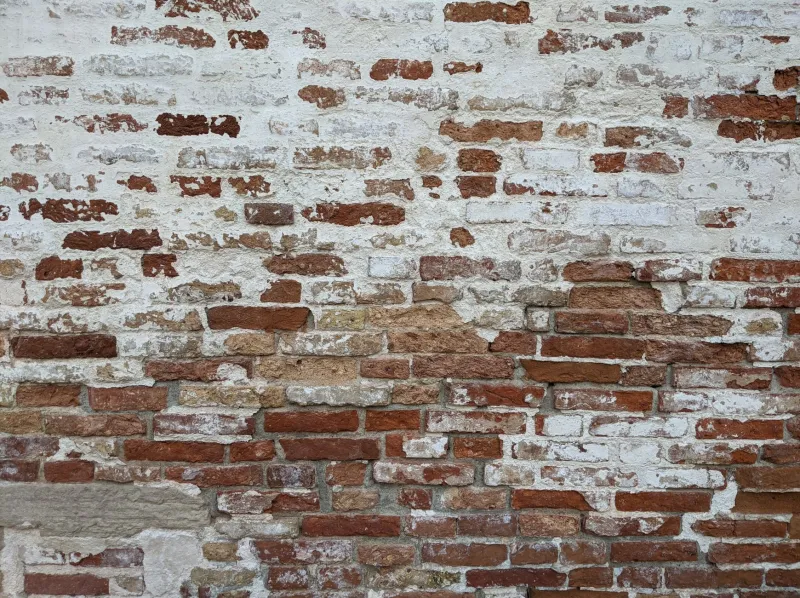
Ask what materials they propose and why. A proper plasterer should be able to explain the difference between non-hydraulic lime putty, hydraulic lime and clay, and why one suits your wall better than another. Ask how they will prepare the substrate. Ask how they will protect the work from drying too fast. Ask what they do about suction, especially on old brick or porous stone.
Ask for references from jobs similar to yours, not just pretty photos of a new build. Ask to visit a finished wall if possible. Ask whether they work with conservation officers and what their experience is with listed buildings. Check insurance and ask who will actually be on site. A firm may be excellent, but if the person doing the mixing has been on the team for three weeks, you want to know.
A good tradesperson will not be offended by sensible questions. If they are, that is information too.
Book early, but not blindly
Once you have found someone credible, talk to them before you buy materials or rip anything out. The sequence matters. A plasterer may want to see the wall before commit to a specification, and they may have opinions about the render, insulation or paint you have already chosen. Getting them involved early can save a lot of expensive undoing later.
Be clear about deposits, cancellation terms and weather risk. Lime work is not a fan of frost or driving rain, so winter programmes need slack in them. A firm that promises a precise start date in February for external render may be optimistic, or may be telling you what you want to hear.
The apprenticeship point
If you are a homeowner, you can support the pipeline by being realistic about who does what. Not every task on a lime job needs the most senior person on site. An apprentice can mix, prepare, protect and learn under supervision. What they should not be is cheap labour on work nobody is checking.
If you are a small builder or architect, the same applies. Pay properly, allow time for teaching, and do not expect a first-year apprentice to deliver a finished float coat on a listed facade. The trade needs more good people. That only happens if good people are trained, not just advertised for.
When waiting beats compromising
There are times when you should wait. If the wall is stable, the old plaster is sound, and the problem is cosmetic, a few months of monitoring may be smarter than rushing a poor repair. Temporary measures can hold the line. What you should not do is fill a breathable wall with cement render because the diary is full and you want it sorted by half term.
If the building is genuinely at risk, get a competent person to stabilise it and make it safe, even if the final finish has to wait. That is different from compromising on the finish itself.
The scaffold may be empty for longer than you planned in 2026. That is frustrating, but it is not a reason to hand your old walls to the first person with a mixer. A proper lime plasterer is worth waiting for. The trick is making sure that when they finally arrive, they are the real thing.