Consent, Samples and Sticky Tape: Getting Lime Plaster Past the Conservation Officer

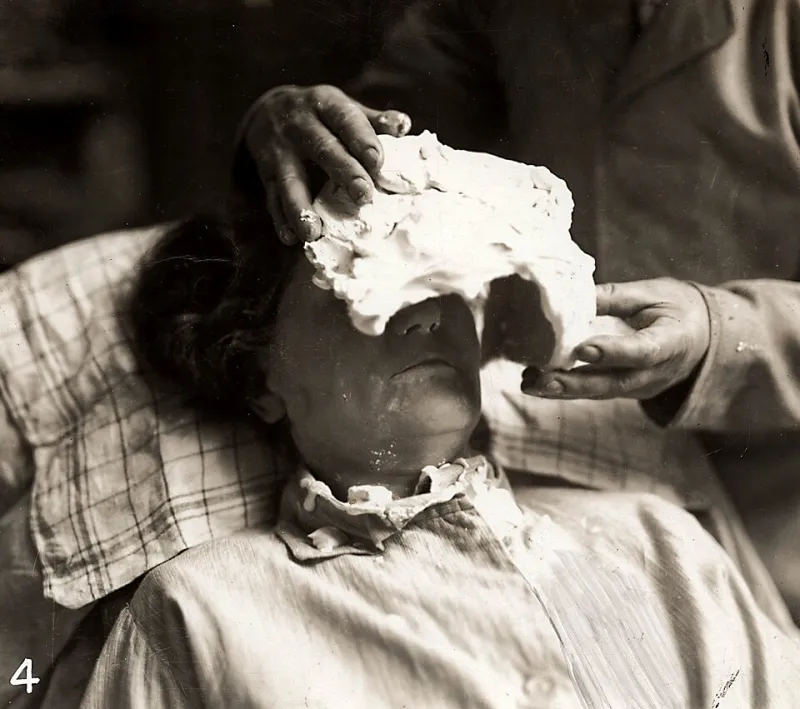
Photo: New South Wales Government Printer, Public domain, via Wikimedia Commons
There's a particular sort of silence that falls over a renovation site when someone says the words "conservation officer". It's the silence of a homeowner quietly wondering whether their sample panel is about to be condemned, and a plasterer wondering whether they should have brought more biscuits. But here's the thing: most conservation officers aren't ogres. They're professionals with a statutory duty, a heavy caseload, and a genuine interest in keeping old buildings standing. If you approach them with a bit of preparation and a lot less bluster, lime plaster projects usually go a lot more smoothly than the horror stories suggest.
First, the boring-but-vital bit: when consent actually applies
Listed building consent (LBC) is needed for works that affect the special architectural or historic interest of a listed building. That's the legal test, and it's deliberately broad. It covers alterations, extensions, and demolition — including internal works. Yes, internal. A listed building's interior is part of its significance, which means stripping out an old lath and plaster ceiling or hacking off internal lime render can absolutely require consent, even if you're not touching the outside.
In England, LBC applications generally don't carry an application fee, but that's where the good news ends — scaffold, professional fees, samples and time all cost money. Scotland, Wales and Northern Ireland have their own systems and their own quirks, so don't assume an English workflow travels. If the building is in a conservation area rather than listed, the rules are different again: conservation area consent is mostly about demolition, and external alterations may need planning permission, but ordinary like-for-like repair usually doesn't. Curtilage listed structures — garden walls, outbuildings, sometimes surprisingly modest things — can catch people out too.
Broadly, like-for-like repair with matching materials often doesn't need consent. Changing the material, the finish, or the appearance of a historic surface usually does. Replastering a wall in lime to match what's there is one conversation. Replastering it in gypsum, skimming it flat, painting it with vinyl silk, or adding insulated plasterboard is a very different one.
The 'breathable' trap
It's easy to assume that anything described as breathable, natural or eco-friendly will get an easy ride. Not necessarily. Conservation officers are tasked with protecting significance, not with rubber-stamping a particular product category. A well-meaning internal wall insulation upgrade — even one built from wood fibre and clay — can still be refused if it harms historic fabric, changes internal proportions, or blocks ventilation in a way that risks decay. Breathability is a performance property, not a permission slip.
The same goes for cement render removal. Taking off a hard, impermeable render to let a wall dry out can be the right thing to do. But if that render is original, or if its removal will damage the face of the brickwork beneath, the officer may want a more measured approach: patch repairs, monitoring, and a slower strategy. Sometimes the most heritage-friendly move is to do less, not more.
How to talk to a conservation officer without annoying them
Start early. Before you buy the lime, before the scaffold goes up, and definitely before anyone swings a hammer. A short email with photos, a clear description of what you want to do and why, and a note of what you think the heritage impact is will get you a long way. Conservation officers can smell a fait accompli from a mile off, and nobody enjoys being told about a change after it's happened.
Be specific. "We'd like to use lime" is fine; "we'd like to use a 1:2.5 mix of NHL 3.5 and well-graded sharp sand, with a three-coat application, to match the existing render in texture and colour" is better. Name the materials. Say where the sand comes from if it matters. Explain how you'll protect the historic fabric during the work. If there's an existing damp problem, say what you think is causing it and how the proposal addresses it, rather than promising that lime will magically fix everything.
Pre-application advice is worth its weight in gold. Many local planning authorities offer it, sometimes for a fee, and it gives you a written steer before you commit to a full application. If your building is Grade II* or Grade I, or if the proposals are complex, a heritage statement or a conservation-accredited professional may be expected. For a straightforward lime repair on a Grade II building, a clear method statement and photographs often do the job.
Samples, boards and mock-ups
This is where lime plaster really earns its keep. A labelled sample board showing the proposed mix, finish and paint system is useful. An on-site mock-up panel — usually around a square metre, in an unobtrusive spot, agreed in advance — is better. It lets the officer see the texture, colour and thickness in real light, and it gives the plasterer a chance to prove the mix works before the whole elevation is committed.
Photograph everything: the existing surface, the substrate, the sample panel, the materials in their bags, the finished result. Keep a simple paper trail. If the officer asks for a method statement, give them one that covers surface preparation, mix ratios, curing, protection, and what happens if something goes wrong. Mention that you'll damp down and protect the work from frost. Mention that you won't be adding PVA, cement or waterproofer. These details build trust.
Where people come unstuck
The classic mistakes are pretty consistent. Applying for consent after work has started. Assuming that 'repair' covers a wholesale replacement. Forgetting that chimneys, walls, outbuildings and even some interior features can be curtilage listed. Using a breathable product in a way that still harms historic fabric. And treating the conservation officer as an obstacle rather than a consultee.
One more thing: not every change needs a formal application, but the consequences of getting it wrong can be serious. Unauthorised works to a listed building are a criminal offence, and local authorities can require reinstatement. That's a far more expensive conversation than the one you'd have over a sample board.
So: read the listing description, check the local authority's guidance, send the email, make the sample panel, and keep the receipts. Lime plaster and old buildings reward patience. Conservation officers usually do too.