Load Without Loss: Hanging Shelves, Radiators and Cupboards on Breathable Walls

Photo: Gogerr, CC BY 4.0, via Wikimedia Commons
There's a moment in every old-house project when the walls stop being a heritage feature and start being a practical problem. You've got a shelf to hang, a radiator to rehang, or a cupboard that needs to go somewhere useful. The wall is lime plaster over brick, or clay over lath, and the default advice from the internet is to reach for cement, grip adhesive and a prayer.
That's the wrong instinct. Breathable walls work because moisture can pass through them. Smother a patch with cement or gypsum filler and you've created a small dam. The wall may hold the fixing, but the repair can cause damp to concentrate elsewhere. The trick is to put loads in properly while keeping the wall's ability to manage moisture intact.
First, work out what you're actually drilling into
Before you buy a single fixing, spend ten minutes reading the wall. A lime-plastered solid brick wall behaves nothing like lime plaster on timber lath, and both are different from clay plaster on a modern substrate.
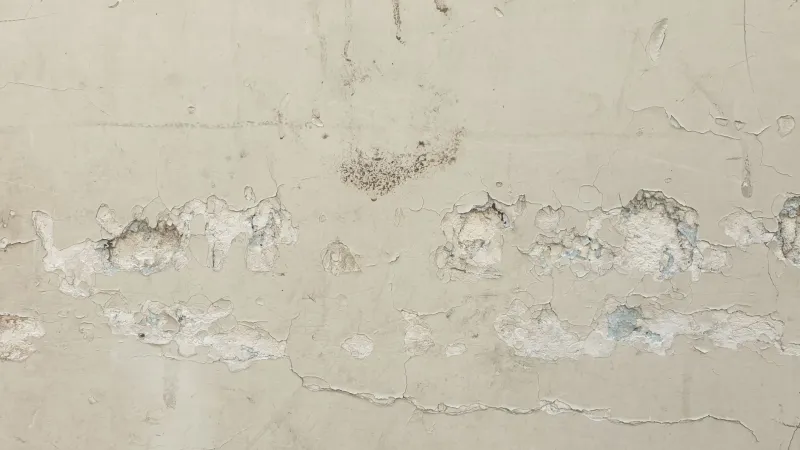
Tap the surface gently. A dull, solid sound usually means masonry behind. A hollow, drum-like sound can mean lath, or it can mean plaster that has debonded. If the plaster sounds loose over a wide area, stop. Fixing into failing plaster is how shelves end up on the floor.
For solid masonry, you want to drill into the brick or block, not the mortar joint. Mortar is the weak layer. For lath, you need to find the timber studs or joists behind the plaster, because the lath itself is only there to hold the plaster, not your book collection. A simple stud finder helps, but old houses often need a bit of gentle probing through hidden areas.
Also check for pipes and cables. Old walls are full of surprises, and a shelf bracket is not worth a burst pipe.
Skip the cement patch
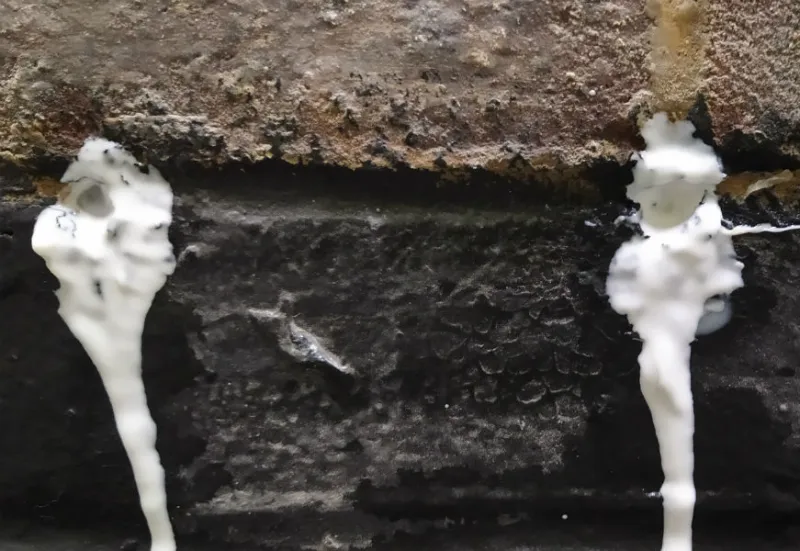
The most common mistake is to drill a hole, fill it with cement or chemical mortar, and screw into that. It feels solid. It often is solid. But it's also a non-breathable plug in a breathable wall, and it can trap moisture against timber or masonry. In a period property, that's a slow problem, not a quick fix.
If a fixing hole needs making good, use a lime-based filler or a clay plaster repair material that matches the wall. For small holes, a stiff lime putty mortar or a proprietary breathable filler is fine. The aim is to isolate the fixing, not to waterproof the wall.
Stainless screws, sensible anchors
For light to medium loads, stainless steel screws are the default. They won't rust and stain the plaster, and they cope with the slight movement old walls often have. For shelves and cupboards, avoid cheap zinc-plated screws that can corrode in damp masonry.
In solid brick, a good quality nylon plug and stainless screw will hold a surprising amount, but only if the hole is drilled cleanly and the plug sits in the brick. Don't over-drill. A hole that's too big is worse than one that's slightly tight.
For heavier loads, resin anchors are the reliable option. They bond into the masonry and spread the load. In hollow or uneven brick, a resin anchor with a perforated sleeve can work well. Follow the cure times properly, especially in cold weather. Resin doesn't like a chilly wall any more than plaster does.
For very heavy items, threaded rod set in resin and fixed with a nut and washer gives you a strong, adjustable connection. It's overkill for a bathroom shelf, but it's the right call for a large radiator or a wall-hung cupboard.
Battens and French cleats spread the load
If you're hanging several items, or a long run of shelving, don't rely on a dozen individual fixings. A timber batten or a French cleat spreads the load across the wall and makes future changes easier.
Fix a treated timber batten horizontally into the masonry or studs using stainless screws or anchors. Then attach your shelf brackets or cupboard cleat to the batten. This keeps the number of penetrations in the plaster low and gives you a straight, level line to work from. It also means you can remove and refit the shelf without drilling new holes every time.
Keep the batten ventilated where possible. Don't seal it tight against a damp-prone wall with silicone. A small gap or a breathable backing strip helps moisture escape.
Radiators need more thought
Radiators are heavy even before they're full of water, and they're often on external walls where condensation risk is higher. Use proper radiator brackets, not shelf brackets with a hopeful attitude.
For solid masonry, resin anchors or heavy-duty sleeve anchors are usually the right choice. For lath walls, you need to fix through to the studs or add a timber pattress that spans them. Never hang a radiator from plasterboard fixings alone in an old house.
If you're fitting a radiator to a breathable wall, keep the bracket stand-offs sensible. You want air to move behind the radiator, not a sealed pocket of damp plaster. And if the wall is lime-rendered externally, avoid drilling right through the render into the cavity without sealing the penetration properly. A little care here prevents a cold bridge and a damp patch later.
Know your load limits
A single shelf bracket into solid brick might comfortably hold 20–30kg if the fixing is right. A wall-hung cupboard full of crockery is a different matter. Be honest about the load, including the weight of the shelf itself and anything that might get stacked on it later.
When in doubt, spread the load. Two brackets are better than one. A batten is better than four isolated holes. And if the wall is soft, crumbly or hollow, get a professional to look at it before you trust it with anything heavy.
Isolate the repair, not the wall
The principle running through all of this is simple: make the fixing strong, but don't make the wall waterproof. A breathable wall needs to dry inwards and outwards. Your fixing should be a small, local intervention, not a cement island.
Use lime or clay to make good around fixings. Keep sealants minimal and breathable where possible. Check the repair after a heating season. If you see damp concentrating around a patch, it's usually a sign that moisture is being trapped, not that the wall is failing.
In 2026, there are more breathable-compatible fixings and fillers on the market than ever, but the old rules still apply: read the substrate, use stainless or resin, spread the load, and don't smother the wall. Hang what you need to hang, but let the wall keep breathing.