Peel or Leave? Wallpaper, Paste and Old Walls That Need to Breathe
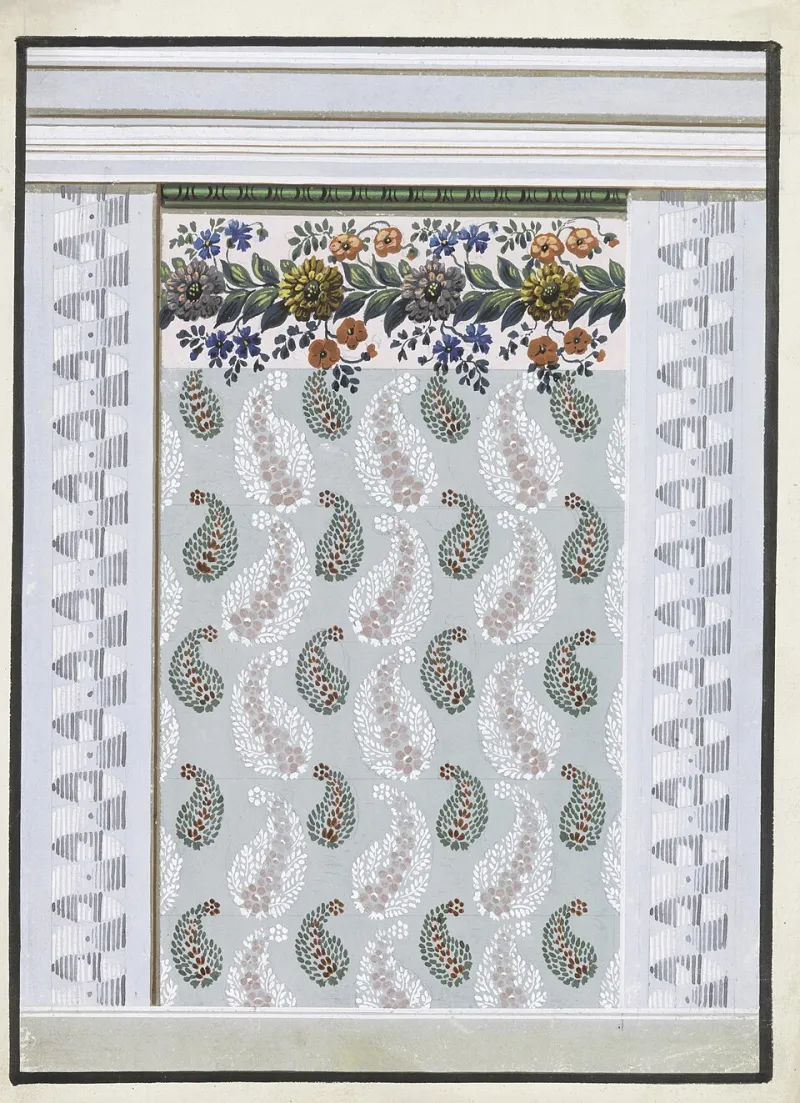
Photo: Unknown artistUnknown artist, Public domain, via Wikimedia Commons
There is a particular moment in every period-property renovation when someone stands in a bedroom with a scraper in one hand and a wallpaper steamer in the other, convinced that the paper is the problem. Sometimes it is. Quite often it is the only thing holding the plaster together, and occasionally it is doing a genuinely useful job of managing moisture.
So before the first strip, it is worth twenty minutes of figuring out what you are actually dealing with.
Identify the covering first
Peel back a corner somewhere discreet and look at the backing. Vinyl coverings have a plastic face bonded to a paper back and will bead water if you flick a drop onto them; they also tend to peel off in satisfying, rubbery sheets. Blown vinyl and most modern textured coverings are in the same family. Traditional pulp paper, lining paper and the older patterned papers are simply paper, and behave quite differently.
Then count the layers. Three or four generations of paper and paste on a wall is not unusual in a Victorian terrace, and each layer adds another barrier, however thin. Also look at what is painted on top: a paper sealed under two coats of vinyl silk is a vapour barrier by another name, whatever the paper underneath.
Why vinyl is the problem child
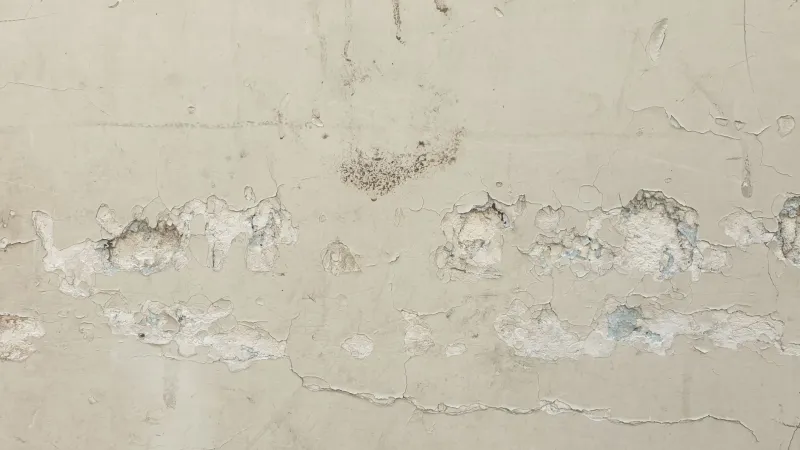
A vinyl covering is, functionally, a thin plastic sheet glued to your wall. Moisture moving out through the plaster meets it and stops. In a bathroom or on a chimney breast that means condensation forming behind the paper, mould feeding on the paste, and eventually the plaster losing its key and blowing in soft, bulging patches.
If a wall has been vinyl-covered for years and the plaster beneath is still sound, you have got away with it — but that is not a reason to repeat the experiment.
Ordinary paper is more forgiving, but not innocent
Traditional paper lets vapour through, so the wall can still dry inward. The weak points are the paste and the build-up. Old animal-glue and starch pastes are hygroscopic, which is a polite way of saying they attract and hold moisture and make a decent meal for mould. Four layers of paper plus four layers of paste is a different proposition from one.
A word about steam
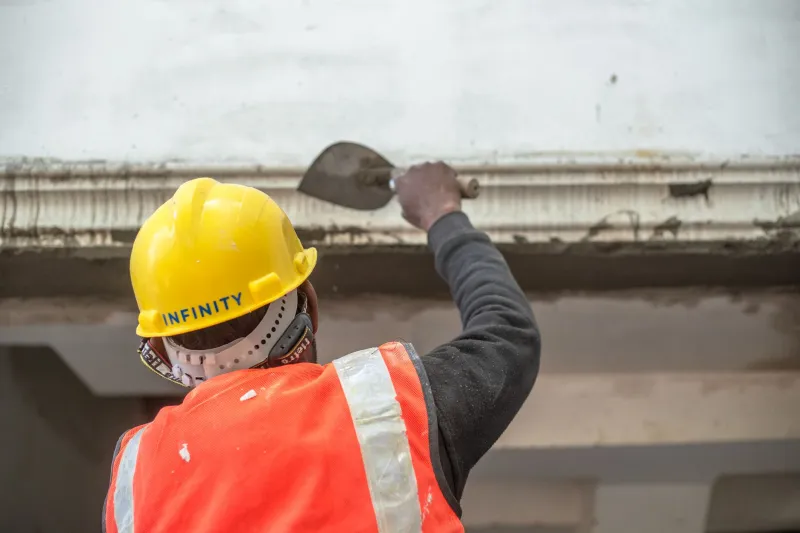
Steam strippers are fast and deeply satisfying, and on modern drylined walls they are fine. On old lime plaster they are a calculated risk. Steam drives moisture into the plaster, softens the surface, can lift a skim coat and can pull away the keys where the plaster grips the lath. If the plaster is already marginal, a hot afternoon with a steamer is enough to turn a cosmetic job into a replastering job.
Where you do use one: keep the plate moving, work in small sections, avoid holding it in one spot, and let the wall dry between sessions. Warm water, a sponge and a scraper are slower but kinder. If the house predates the 1960s, assume there may be lead paint in the layers and take the appropriate precautions — a test kit costs less than a mistake.
Paste residue matters more than people think
Once the paper is off, wash down with warm water and a sponge, changing the water often, and let the wall dry properly. A residue of old paste left in place will grab the next covering unevenly, show through a thin finish and hold moisture against the plaster.
Sizing — a thin coat of gelatine size or a suitable primer — is the traditional answer. It seals the surface just enough for paste to release cleanly next time and gives even suction so the new paper doesn't bubble.
Can it stay?
Sometimes, yes. A breathable paper that is firmly adhered, dry to the touch, free of musty smell and not in a wet room can reasonably stay put, particularly in a room you are not ready to gut. Paper in a hallway that has been there since the 1990s and looks fine is not an emergency.
It should come off where it is blown, damp, mouldy, lifting at the edges, or sitting on a wall that has a known moisture problem. Covering a damp wall with paper is a way of postponing a conversation with a surveyor.
Skim or repair?
Once stripped, many walls look worse than they are. What is usually needed is consolidation, filling and a breathable finish rather than a full gypsum skim. A gypsum skim over old lime is harder, less permeable and prone to delaminating where moisture moves behind it. A lime or clay finishing coat, or a well-filled and limewashed wall, is often both cheaper and more honest.
If the plaster is hollow over a large area, that is a different job and worth a proper look before anyone mixes anything.
Testing whether the wall can cope
A simple, old-fashioned check: tape a square of clear polythene tightly to the wall, seal all four edges, and leave it for a week. Condensation on the underside of the plastic shows moisture is still coming through; nothing at all after a week in normal conditions is reassuring. It is a diagnostic, not a treatment — take it down afterwards.
Pair that with a moisture meter and compare the reading to an internal wall you know to be dry. Then, before decorating the whole room, do a test panel: limewash or clay paint over a square metre, left for a month. If it stays flat and even, the wall is ready. If it blisters or blooms white, you have found the problem cheaply.
Reinstating without rebuilding the barrier
The safest sequence is lining paper where the wall is rough, a breathable paste, then a breathable finish — clay paint, distemper, limewash or a porous emulsion designed for the job. Avoid vinyl, avoid PVA-heavy sealers, and avoid the instinct to "seal it before decorating", which on an old wall is generally the beginning of the next problem rather than the end of this one.